


There are a variety of reasons why grass may have turned yellow or brown, including too much or too little water, heat stress, improper mowing, or even pet urine. To pinpoint why grass turns yellow, you’ll need to consider these factors and adjust your watering or mowing practices as you troubleshoot the issue.
If you’ve been working hard to maintain a beautiful and healthy lawn only to notice your grass starting to yellow or turn brown, you aren’t alone. Yellowing or brown grass is a common problem that can often feel frustrating to resolve. When looking to answer the question, why is my grass yellow, or why does grass turn brown, you’ll need to get curious, as a variety of factors can be behind this common occurrence.
At Mr. Trim Lawn & Garden Services, we are a family-run lawn care company that has been in operation for more than 40 years. We are often contacted by homeowners who are frustrated with the state of their lawn and want to know, why did my grass turn yellow or why is my grass brown? Though yellow or brown grass is often a fixable problem, it can be hard to pinpoint as it can be the result of a variety of factors. Improper mowing, too much or too little water, pets or pests, and even issues with soil nutrients may be why grass is yellow or brown. In this post, we answer your most common questions to help you answer the question, why is my grass turning brown or yellow?
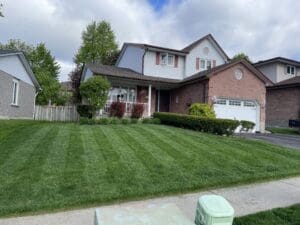
Common Reasons Why Grass Turns Brown or Yellow
Grass may turn brown or yellow when it is under stress or not growing in optimal conditions. The following factors are the most common reasons for grass to turn yellow or brown. Keep in mind that your issues with yellowing grass could be due to one or more of these factors. It may take some troubleshooting to understand why your grass has changed colour.
Over or Under Watering – grass may turn yellow or brown when it has received either too much or too little water. In summer months, when the temperature is high and rain is lacking, grass may go dormant and turn yellow or brown. Alternatively, when there is too much rain or you have watered your lawn too frequently, grass may change colour as overly moist soil can damage its roots. Though your grass does need water to thrive, it’s important not to overdo it.
Improper Mowing – cutting grass too short or using a mower with a dull blade is one of the most common reasons for grass to turn brown. Be sure to keep your lawn mowed between 3-4 inches, as this is the optimal height for grass. Though it may be tempting to cut grass short to reduce mowing frequency, doing so may result in dead and discoloured grass.
Nutrient Issues – soil that is lacking nitrogen may lead to yellow tips on your grass. Fertilizer treatments can help promote healthy grass growth. However, you’ll want to consider lawn aeration before completing this task, as if your soil is compacted, water and nutrients may not be able to reach grass roots.
Pet Urine or Pests – small patches or yellow or brown grass could be the result of dogs peeing on your grass, though pests such as grubs may also be behind issues with yellow or brown patches. Grub control programs can help target issues with brown patches or yellow patches on your lawn.
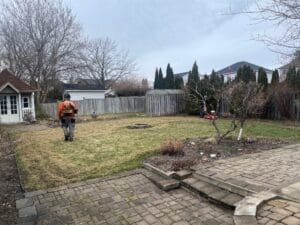
Why Does Grass Turn Yellow or Brown? Answering Our Most Frequently Asked Questions
Have you ever wondered, why is the grass turning yellow or why is grass brown? There could be a wide range of reasons as to why this has happened. Below, we answer your most common questions and help you determine if overwatering, underwaterting, nutrient issues, mowing issues, or pests are causing your grass to yellow.
Why Does My Grass Have Brown Spots or Yellow Patches?
Brown or yellow sports on your lawn are often the results of dogs peeing on your lawn. However, grubs may also be behind these issues. If grubs are the issue, you can hire a lawn care company to effectively target the problem. Dogs peeing on the grass may be out of your control, though a lawn sign may help notify neighbours that you are trying to prevent this issue.
Why Does My Grass Turn Yellow or Brown After Mowing?
Grass turns yellow or brown after mowing when it has been cut too short. If you have noticed your grass yellowing or going brown after you’ve mowed it, you’ll likely need to adjust your blade so the grass isn’t cut so low. It may also be a good idea to inspect your mower to determine if your blades are too dull as dull blades can damage your grass.
Our posts, Stop Killing Your Lawn! Common Mowing Mistakes & The Secret to the Perfect Mow Height and Lawn Mower Maintenance: Everything You Need to Know to Keep Your Lawn Mower Blades in Top Condition provide helpful insight that can help to ensure you mow your lawn correctly every time.
Why Did My Grass Turn Brown or Yellow After Fertilizing?
If you have applied fertilizer to your lawn and then soon noticed it going brown or yellow, you’ve likely caused fertilizer burn. This occurs when too much fertilizer is applied to grass or when it is applied at the wrong time. It may be a good idea to hire a lawn care company to help with lawn fertilizer applications as they will expertly apply fertilizer for optimal results.
Why are the Tips of My Grass Yellow?
When the tips of your grass have turned yellow, a lack of nitrogen may be the issue. It is possible to resolve this problem by improving the nutrient deficiency of your soil. When looking to apply fertilizer to your soil, completing tasks such as lawn dethatching and aeration can be helpful as doing so can help nutrients effectively reach the soil.
Why Does Grass Turn Yellow in Summer?
In summer, grass often turns yellow due to heat or lack of hydration. Often these issues go hand in hand. When grass turns yellow in summer, don’t panic. Your grass may simply be going dormant to protect itself. Once growing conditions become more favourable your grass will likely go back to being lush and green. Water your lawn when needed but be sure not to over water as doing so may also cause issues with yellowing.
Why Does Grass Turn Yellow in Fall?
In fall, grass may turn yellow as it begins to go dormant and prepare for winter. This is a natural occurrence and not something you’ll need to worry about. To prepare your lawn for the next season, you may wish to consider seasonal tasks in the fall, such as fall cleanup or leaf removal, as doing so can set you up for success in spring.
Why Does Grass Go Yellow or Brown in Winter?
In winter, your grass turns yellow or brown as it is dormant. In dormancy, grass prioritizes survival and focuses on protecting its root system. In the spring, your grass should come right back to life again, and the green will return.
Why are Some Parts of My Grass Yellow?
If only some parts of your grass have gone yellow, grubs or pet urine may be the issue. Dogs peeing on grass can cause yellow spots, as can grubs. If the issue is grubs, the application of an insecticide can help to resolve the issue.
Why is My Grass Dry and Yellow?
If your grass is dry and yellow, it is likely an issue with hydration, heat, or improper mowing. Be sure to keep your grass mowed between 3-4 inches for optimal health. In the summer months, grass may yellow when it is very hot or when there has been little rain. Addressing the issues with hydration can help with the colour of your grass. However, overwatering may also lead to yellowing.
Why is My Grass Reddish Brown?
The presence of reddish-brown grass likely signals that your grass has been infected with a fungal disease. Lawn fertilizer treatments can help to resolve issues with reddish-brown grass, though aeration may also be necessary to ensure that nutrients reach the soil. In most cases, issues with reddish-brown grass are easily resolved.
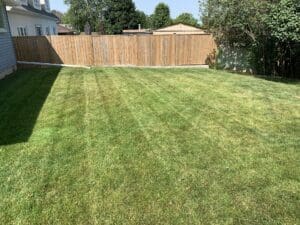
What To Do When Your Grass Has Turned Yellow or Brown
If you are having issues with brown or yellow grass, you’ll need to get curious about what’s going on. Overwatering, too little water, mowing improperly, nutrient issues, dog urine, or issues with pets or a combination of issues may be at play. Consider the time of year and whether the issue is widespread or just patches to narrow down what might be the cause. Mowing properly and hydrating your lawn effectively is likely the best place to start when looking to resolve issues with yellow or brown grass.
How We Can Help Keep Your Lawn In Shape
If you are struggling with lawn care tasks and want a hands-off approach, we can help with grass cutting services as well as a variety of lawn care programs, including overseeding, lawn aeration, weed control, and fertilizer treatment. We can help you identify why your grass is turning yellow and take care of the important lawn care tasks that you’ll need to address to help your lawn remain healthy in any season.
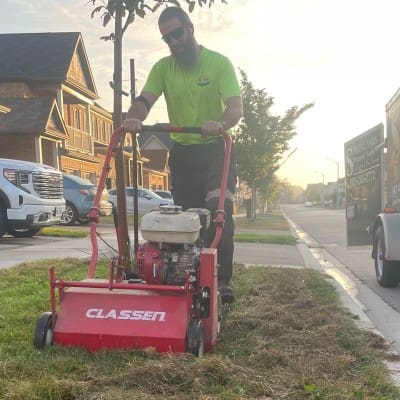
Aaron grew up in Bowmanville, working along side his dad for as long as he can remember. Aaron went to school to get his small engine repairs certificate to help keep all the machines running well. Aaron is very knowledgeable with all lawn care needs. He took and passed the pesticide license course so he could better help his customers. Aaron always makes sure to determine what your lawn needs and can give recommendations on how to make it better.
Mr. Trim has many awards from, three best rated, This Week Readers Choice, Durham Region Readers Choice and more. Both owners Lisa & Aaron have their pesticide licences. Their biggest accomplishment of all is having loyal customers that trust them year after year for all their lawn, garden and snow clearing needs.